
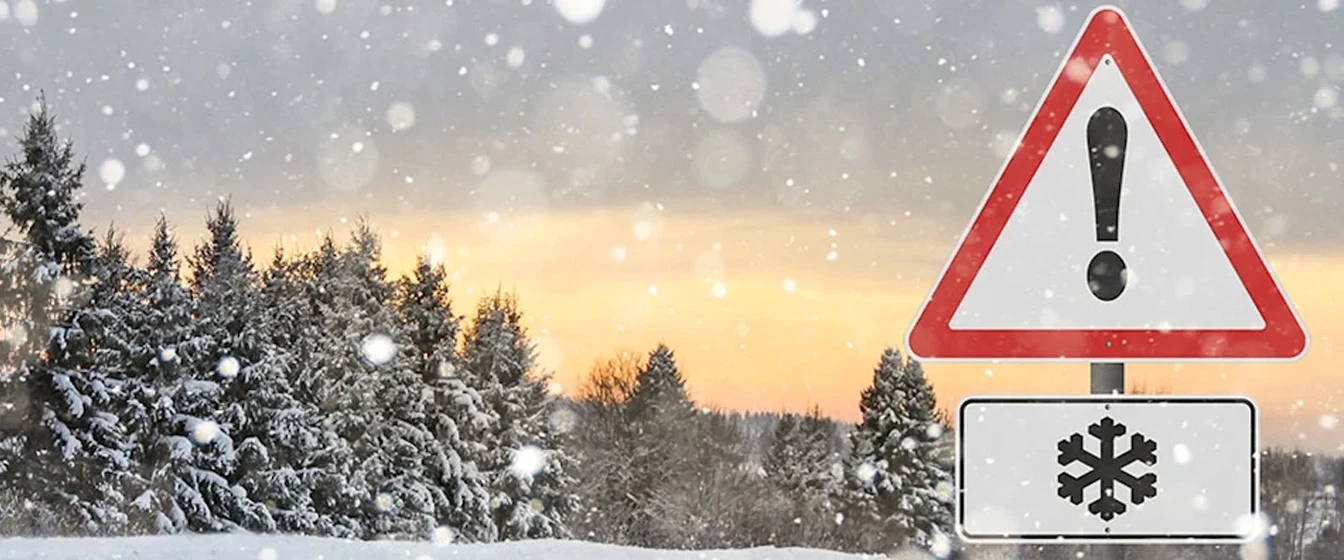
From snowstorms in Texas to historic cold temperatures across Florida, it's clear that winter weather preparedness is not just for northern regions. Wherever you are, managing winter weather risk doesn't have to be daunting; it simply begins with preparing for snow, ice, and extreme cold ahead of time.
For over 60 years, Philadelphia Insurance Companies (PHLY) has weathered many winters alongside our agents and insureds. Along the way, we've compiled some essential cold-weather risk management tips to protect fleets, property, and people from winter harm and damage.
Tip 1: Have a winter weather emergency plan in place before inclement weather arrives.
Staying updated on the forecast enables owners and operators to share emergency plans long before ice and snow arrive. This winter weather preparedness ensures their business stays running as smoothly as possible.
Share winter weather safety tips at work. These might include urging employees to check car batteries, wiper blades, and tires; drive defensively on slippery roads; and wear footwear with traction.
Have safety protocols for heat or electrical failure. Blizzards and ice storms can cause power outages. What procedures are in place in case heating or electric systems are interrupted? Make sure both leadership and staff are outage-ready.
Tip 2: Be proactive against potential winter liability.
Protecting employees and visitors against injuries is not just the right thing to do, it can also help avoid potentially expensive liabilities as well as mitigate risk during winter storms.
Quickly address snow and ice removal. Slips, trips, and falls (STF) are the most common types of injuries during wintry conditions, and they can cause sprains, breaks, concussions, or worse. Follow snow-removal best practices by clearing snow from parking lots and other trafficked areas, spreading salt or ice melt on walkways, and making sure hand railings are clear. Ensure that gutters and downspouts are maintained to mitigate the threat of falling ice and to prevent ice dams.
Vet and hire reputable contractors. If you partner with contractors for snow removal, make sure they have solid references and adequate insurance ahead of time. Consider adding your business to their Certificate of Insurance as an additional insured.
Manage winter risks for employees working outdoors. Frostbite and hypothermia are common afflictions that can occur during extreme cold weather. The Occupational Safety and Health Administration (OSHA) urges employers to train workers on how to recognize the signs of cold-stress injuries, advise them on dressing for dangerously cold weather, and deploy safe work practices such as providing warm break areas.
Tip 3: Manage winter damage risk to your facility before it can occur.
Effective winter risk management also involves shoring up offices, warehouses, and other facilities. A multifaceted approach to protecting property from winter damage can involve employees, maintenance, and monitoring, such as PHLYSENSE.
Provide safety tips for using space heaters. Space heaters can pose a significant risk to both people and property. To use them safely, make sure their cords are intact, they are placed on nonflammable surfaces, and they're kept at least three feet away from combustibles. Space heaters should always be Underwriting Laboratory (UL) listed and have an automatic shutoff in case they tip over.
Be proactive against burst pipes, freeze-ups, and roof collapses. From frozen sprinkler systems and clogged drains to leaking skylights and roof buildup, winter storm stressors can wreak havoc. PHLY Risk Management Services has a comprehensive checklist for making sure your building stays sound. Our property monitoring solution, PHLYSENSE, uses sensors to detect low temperatures or water presence caused by frozen pipes breaking, and it shares those alerts with you via text, email, or phone.
Undergo infrared thermographic inspections. These evaluations can help spot areas where moisture intrudes or heat escapes, increasing energy costs and exposure to risks such as mold or burst pipes.
Tip 4: Winterize your fleet.
Prioritizing vehicle maintenance is a year-round task, but it's especially crucial during snow and ice storms. Routine pre- and post-trip inspections should be performed, and wipers, lights, and snow tire chains should always be in working order.
Keep drivers updated on defensive driver training. Drivers should be trained on operating vehicles during wintry conditions, from maneuvering over black ice to implementing procedures when stuck on the side of the road.
Ensure vehicle emergency preparedness kits are complete and up to date. These kits can include warm clothing, a shovel, extra windshield washer fluid, blankets, provisions, and cat litter for traction.
Add another layer of protection with vehicle telematics. Telematics use GPS technology to locate stranded vehicles, monitor vehicle health, and gauge driver behavior. PHLY's telematics solution, PHLYTRAC, is available at no extra cost for all PHLY auto insurance clients.
Tip 5: Periodically revisit your winter weather emergency plan.
Hazards can multiply rapidly when the weather turns dangerous. Take advantage of milder days and seasons to prepare for inclement weather long before it arrives.
For actionable policies to stay ahead of winter weather, contact PHLY's Risk Management Services Team at 1-833-PHLYRMS (833-745-9767) or at phlyrms@phly.com.
Additional Winter Safety Resources:
Auto:
Vehicle Telematics: Improving Driver Behavior- Philadelphia Insurance Companies (phly.com)
Reducing Distracted Driving- Philadelphia Insurance Companies (phly.com)
Winter Driving - National Safety Council (nsc.org)
Safe Winter Driving (osha.gov)
Winter Driving Tips - AAA Exchange
Winter Weather Driving Tips | NHTSA
Property:
Infrared Thermographic Evaluations - RMIQ
Reducing Water Damage Risk- Philadelphia Insurance Companies (phly.com)
Auto-Out Fire Suppressant- Philadelphia Insurance Companies (phly.com)
Pipe Freeze Prevention- Philadelphia Insurance Companies (phly.com)
Residential Fire Safety- Philadelphia Insurance Companies (phly.com)
Use a space heater with care - Safe ElectricitySafe Electricity
General and GL:
Slip, Trip and Fall Prevention- Philadelphia Insurance Companies (phly.com)
Winter Safety - National Safety Council (nsc.org)
Winter Weather | Ready.gov