
Safe Sleep and Choking Prevention: Essential Practices for Child Care
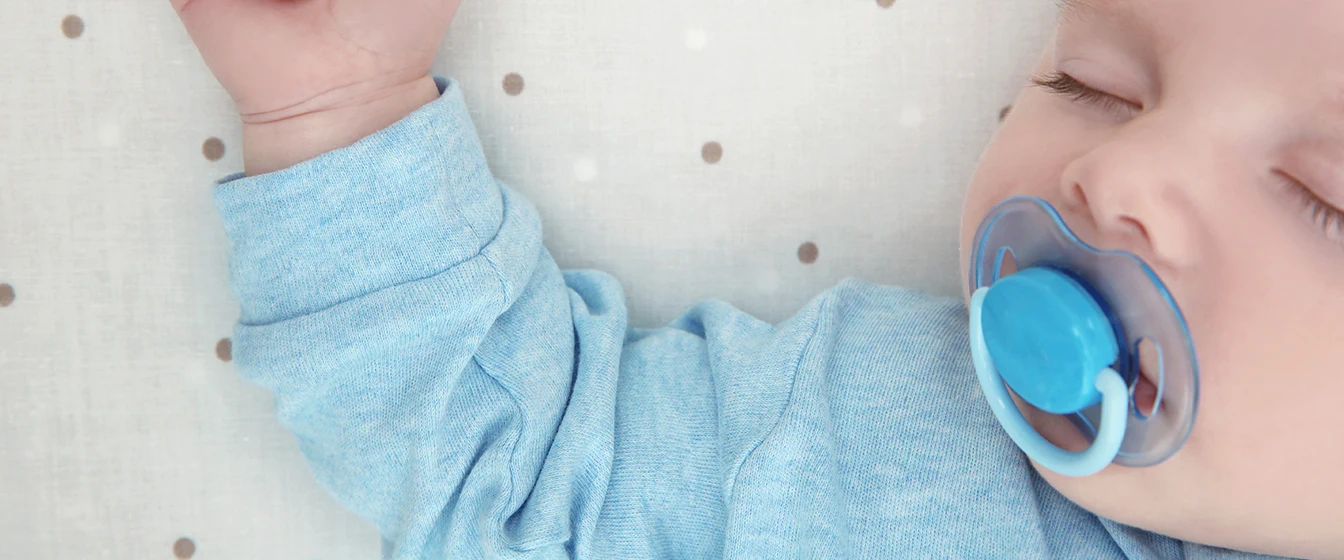
Childcare centers and schools have a vital responsibility to ensure the safety of infants and toddlers, especially when it comes to safe sleep and choking hazards. Sleep-related incidents, such as positional asphyxia, are a significant risk for infants, while toddlers frequently face choking dangers during play and mealtimes. By implementing safe sleep practices and choking prevention measures, you can protect the children in your care from these potentially life-threatening situations.
What is Safe Sleep?
According to the American Academy of Pediatrics, the Safe Sleep for Babies Act of 2021 emphasizes the importance of creating a safe sleep environment for infants, aiming to reduce the approximately 3,400 unexpected infant deaths that occur annually during sleep. Safe sleep practices are designed to minimize the risk of sleep-related incidents, such as positional asphyxia (commonly known as Sudden Infant Death Syndrome), choking, and suffocation. Surfaces that are too soft or inclined can cause a baby’s head to slump forward, blocking their airway and leading to dangerous situations. Ensuring infants sleep on a firm, flat, and level surface is key to reducing these risks.

The A, B, C's of Safe Sleep for Babies
Follow the A, B, C’s of Safe Sleep to protect infants during sleep:
Alone: Infants should sleep alone in a crib or bassinet.
Back: Always place infants on their backs to sleep.
Crib: Use a crib or bassinet with a firm, flat mattress free of soft bedding, toys, or other objects.
These straightforward guidelines are critical to preventing sleep-related tragedies in childcare centers.
Why Are Inclined Sleepers, Loungers, and Nappers Dangerous?
Inclined sleepers, loungers, and nappers can position babies at angles that block their airways, increasing the risk of suffocation. These products are now banned under the Safe Sleep for Babies Act, and the Consumer Product Safety Commission (CPSC) warns against using any sleep product that inclines more than 10 degrees, including items intended to soothe an infant to sleep, which must be designed for safe sleep.
What About Car Seats?
While car seats are designed to protect infants during travel, they are not intended for extended sleep. According to a 2015 study, 66% of infant deaths related to positional asphyxia in car seats occurred when the car seat was used outside of a vehicle (Batra et al., 2015). To minimize risk, transfer sleeping infants to a safe, flat surface as soon as possible.
Integrating Choking Prevention into Your Child Care Routine
While safe sleep practices protect infants during nap time, toddlers face different hazards throughout the day, with choking being a top concern. Infants and toddlers naturally explore their surroundings by putting objects in their mouths, making choking prevention an essential aspect of childcare safety.
Here are some essential choking prevention tips to incorporate into your daily routines:
During Sleep: Ensure that cribs and bassinets are free from loose bedding, toys, or other objects that could pose a choking hazard.
During Mealtime: Be cautious with foods that are common choking hazards for children, like grapes, hotdogs, and other small, dense foods. Always cut food into small, manageable pieces.
During Play: Keep small objects, like toys that can fit through a toilet paper roll, out of reach to prevent choking incidents. Supervise playground time closely to avoid potential strangulation risks, such as children misusing swing chains or cords.
By integrating these guidelines into your daily practices, you help ensure that children remain safe at your facility.
Emergency Response for Infant Choking or Asphyxiation
In a choking emergency, every second counts. If an infant is choking, watch for signs like silence, difficulty breathing, or blue-tinted skin. If the infant cannot cough or cry, act immediately.
Back Blows and Chest Thrusts: Place the infant face down along your forearm, supporting their head. Deliver five firm back blows between the shoulder blades. If the object doesn’t dislodge, turn the infant onto their back and perform five chest thrusts with two fingers in the center of the chest. Alternate between back blows and chest thrusts until the airway clears.
Call 911: If the object doesn’t come out or the infant loses consciousness, call 911 immediately. Continue to provide care until help arrives.
After a Choking Event: The child’s parents or guardians should be contacted and notified with instructions to follow up with their healthcare provider, as food or other objects may still remain in the airway.
Airway Clearance Devices: Airway clearance devices are designed to help remove objects blocking a child’s airway when standard choking response protocols have not worked. PHLY has partnered with LifeVac, which provides our clients with an exclusive discount to help them add this additional layer of safety for child care settings. Staff should always be trained and follow established procedures before using any device.
Ensure all staff are trained in infant CPR and emergency response and regularly review these techniques to maintain readiness.

Safe Sleep, Safe Children
Providing a joyful environment for children means prioritizing their safety at all times. By integrating safe sleep practices and choking prevention into your daily routines, your childcare center can be a place where children thrive in secure, nurturing surroundings. Philadelphia Insurance Companies (PHLY) is dedicated to supporting our policyholders and the individuals they serve by providing comprehensive risk management resources and practical tools that create a safer environment for the children in their care. Explore how PHLY’s Risk Management team can help you safeguard your organization against risk.