
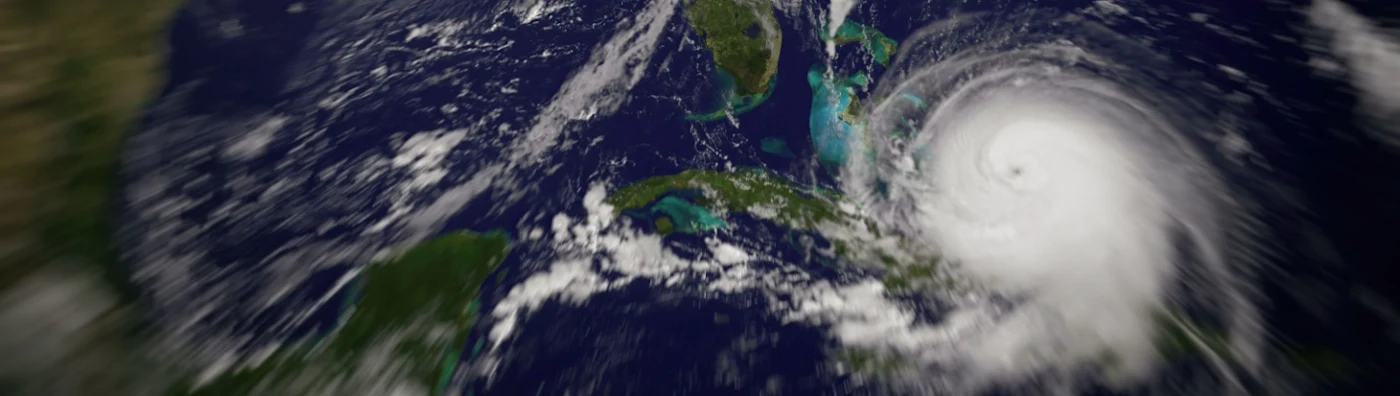
Hurricane season begins June 1 and runs through November 30. Anyone living on the Atlantic coast of the United States or along the Gulf of Mexico, and even those in many inland Southeast states, is at risk during this time.
Severe wind, rain, and storm surges caused by hurricanes and tropical storms have the potential to damage properties. Businesses and their employees can be put at risk if proven hurricane preparedness guidelines aren't followed.
Read on for resources and hurricane preparedness safety tips to help your organization prepare for hurricanes and tropical storms.
Before the Threat of a Hurricane
Have a hurricane preparedness checklist that includes an emergency response plan before a hurricane or tropical storm strikes your area. Your emergency response plans for a hurricane should include options for evacuation, operating offsite, and sheltering in place.
Establish how your organization will communicate with employees, clients, and other key stakeholders - both from your existing location and from potential offsite locations should you have to evacuate.
Inspect and take action to fully seal your building envelope (roof, flashing, windows, exterior walls, and doors) so water cannot get in and cause damage. Enlist qualified roofers and other contractors for any needed maintenance and repairs now, which can help head off larger issues following a storm. Securing roofers and other contractors may also be much more difficult after a storm hits.
Continue to manage inspection and maintenance procedures for any vacant/unoccupied buildings. PHLY's Risk Management for Vacant or Unoccupied Buildings blog has more tips on keeping vacant properties safe.
Equip buildings with a system that can monitor for water intrusion. PHLY's no-cost property monitoring sensor system, PHLYSENSE, provides alerts if water or hazardous temperatures are detected. The sensors work on battery power, so they can still provide protection even if the power goes out. Before a storm, PHLYSENSE provides insight into small leaks that can be addressed so they don't become a larger problem during inclement weather. The alerts can also help you manage where to focus your damage mitigation efforts when the storm has passed and it is safe to do so.
Ensure proper water drainage from roofs and ground areas - especially next to buildings.
Secure emergency generators from third-party suppliers well ahead of a storm.
Practice workplace hurricane preparedness drills so everyone knows what to do before a weather emergency occurs.
When a Hurricane Threat Is Declared
Ensure any appliances, electronics, and computer equipment are not on the ground (in case of flooding). Secure plastic tarps over all computer equipment and other valuables that are susceptible to water.
Roll up rugs and remove them from the floor.
Make sure sump pumps are fully operational and batteries are charged (if applicable).
Shut off electrical service to the building's main break before leaving if water could get into the electrical system and outlets. However, if electrical service is needed for other emergency purposes, it is typically best to leave your electrical service on.
Remove any debris or outside items that could damage property if they became airborne.
Secure all windows and exterior doors.
Secure tarps and plywood.
Identify a water remediation vendor that is qualified, licensed, bonded, and insured (PHLY has recommendations for restoration contractors).
Protecting Your Drivers and Your Fleet from Hurricanes
Once a hurricane has been declared near your area of operations, it's important to keep track of where your employees and vehicles are in relation to the storm's path.
If any of your vehicles are powered by lithium-ion batteries, be sure to move them to higher ground. Flooding can compromise these batteries and lead to fires.
Global positioning system (GPS) devices can be a powerful tool in planning, managing, and responding to operational changes as needed to keep drivers safe and vehicles protected. These telematics systems could include features such as:
Geofencing: The system sends an alert if a vehicle enters, or leaves, a set area (geofence).
Live Map Feed: See where vehicles on the system are located in real time on a map.
Landmarks: Receive an alert if a vehicle approaches a set address within a given radius.
Unauthorized Usage: Set specific times vehicles are allowed to be on the road, and get alerts if a vehicle is turned on outside of the authorized time.
PHLYTRAC, PHLY's telematics solution, includes these and many more features. This service is provided to clients with a PHLY auto insurance policy at no additional cost.
After the Storm
After the storm has passed, the National Weather Service offers the following hurricane safety tips:
Continue listening to a NOAA Weather Radio station or the local news for the latest updates.
If you were evacuated from your home or organization, return only when officials say it is safe.
Stay out of any building if you smell gas, if floodwaters remain around the building, if the building was damaged by fire, or if the authorities have not declared it safe to enter.
Carbon monoxide poisoning is one of the leading causes of death after storms in areas dealing with power outages. Never use a portable generator inside a building. Review generator safety tips from the CDC.
Walk carefully around the outside of your property to check for loose power lines, gas leaks, and structural damage.
Use battery-powered flashlights - do NOT use candles - and turn on your flashlight before entering a vacated building. Batteries can produce a spark that could ignite leaking gas if present.
After safely assessing damages, coordinate any hurricane insurance claims with your insurance agent and with the PHLY Claims team.
In addition, follow these tips shared by the National Fire Protection Association if your electric (EV), hybrid, or alternative fuel vehicle was flooded.
Avoid contact with all high voltage components, cabling, and service disconnects.
If possible, turn the ignition off, but do not attempt any other disabling activities. If the ignition cannot be turned off, wait until the vehicle is no longer submerged and is drained of water before attempting to disable it.
Once the vehicle is no longer submerged:
Vent the passenger compartment once the vehicle is out of the water by opening the windows or doors. Do not store the vehicle indoors.
Be prepared - damaged low and high voltage components can experience an electrical short and cause a fire once the vehicle is no longer submerged.
Do not interact with vehicles exhibiting signs of damaged or overheating high voltage batteries, including leaking fluids, sparks, smoke, bubbling noises, and or unusual odors. If you detect any of these signs, immediately contact fire personnel.
Additional Resources
There are many other hurricane preparedness resources available from PHLY and other professionals to help with your organization's hurricane preparedness plan:
Downloads
Online Resources
Grundy Insurance's tips to protect classic cars from damage
National Fire Protection Agency's tip sheet for submerged hybrid and electric vehicles
Red Cross resources to prepare your home and family
Hurricane safety information from the National Weather Service
Ready.gov with detailed information, including developing a business continuity plan in the face of a variety of hazards and natural disasters
By following proven hurricane preparedness guidelines and taking smart, timely action, you can help prepare your organization to safely weather any storms that may come.