
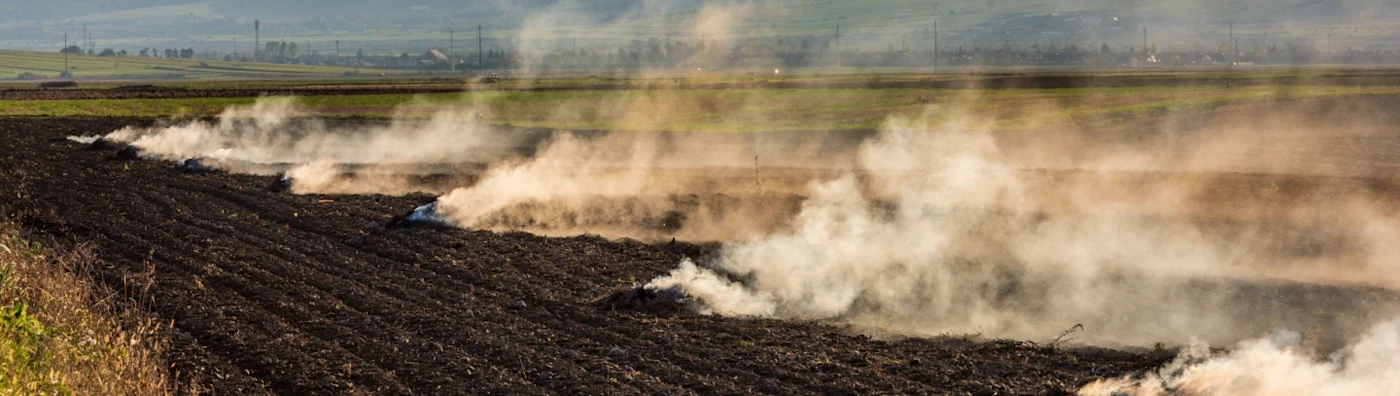
Wildfires have scorched nearly 65,000 acres across the U.S. so far in 2025, an area about the size of St. Louis. Despite their name, wildfires don't usually start deep in the wilderness. Roughly 88% of U.S. wildfires are actually caused by human activity, from backyard fires and celebrations to open burns. More than ever, outdoor burning safety is essential for preserving life and property.
The devastating Palisades and Eaton fires in Los Angeles are just a few recent disasters that highlight the catastrophic cost of fires and the importance of wildfire prevention safety tips. To help keep our clients safe, the Risk Management Services team at Philadelphia Insurance Companies (PHLY) keeps close tabs on wildfire risks nationwide. We've also assembled some recommendations for fire risk management, whether relaxing around a backyard fire pit or managing an agricultural burn.
Understanding and Managing Outdoor Fire Hazards
When burning anything outside, from fire pits to fence lines, even a small spark can have big consequences. The combination of dry weather, strong winds, and inadequate fire management can quickly turn a controlled burn into an out-of-control disaster.
One of the most common outdoor fire hazards is lax supervision of "extinguished" fires, whose embers may smolder long after they appear to be out sometimes for days or even weeks. Gusty winds can carry those embers miles away to neighboring land or structures, a recipe for potential disaster. Some essential fire risk management practices are to check weather forecasts before backyard fires and open burns, to maintain adequate buffer zones around fires, and to make sure a fire is truly out before walking away.
Managing Fire Risk on Farms
The recent spread of the H5N1 virus (aka bird flu) has forced many farms to destroy flocks of chickens and ducks. Some farms use open burn pits for livestock carcass disposal.
Safely managing incineration requires not only vigilance, but also staying within local, state, and federal regulations. Farm owners should always check with the appropriate state regulatory agency for air quality and solid waste management requirements before carcass incineration.
According to the U.S. Department of Agriculture, here are some other ways to prepare, conduct, and safely extinguish an open burn:
Choose the right location. Carcasses should be burned away from potentially combustible grasslands or forests to minimize fire risk.
Use properly sized and prepped fire beds. Build the fire bed in such a way to minimize sparks, soot, and odors blowing toward buildings or across public roads. Also, allow proper fire-bed length based on the number and size of the carcasses being burned.
Keep fire suppression equipment on hand. Having water, fire extinguishers, and shovels nearby can stop the fire from getting out of hand.
The USDA training module on open burning takes a more comprehensive look at best burn practices and farm risk management.
Practicing Backyard Fire Pit Safety
Backyard fire pits can create a great vibe for outdoor gatherings, but they also come with great responsibility. A careless backyard fire can quickly spread to a fence, your own or a neighbor's home, or nearby land.
Basic fire pit safety tips can also apply to open burns, which contributed to more than 200,000 wildfires in the U.S. between 2010 and 2020:
Check local and state regulations. Many states have burn ban regulations that restrict open burning, and some require permits. Check your local or state government website before lighting a fire pit or burning debris.
Avoid fires during high-risk weather. Fire pit hazards can multiply on a windy day. Check the forecast for not just the day of the fire but for subsequent days too.
Keep fires to a safe size. Regulations vary by locality, but in general, a debris pile should be only four feet by four feet before ignition.
Maintain a safety zone. Keep a ten-foot buffer on all sides of a burn pile or fire pit. If there are shrubs or trees within this buffer - especially trees with low limbs - move the fire to a safer spot.
Use a fire screen. A metal screen over the fire can help contain embers and sparks, and it is one of the best ways to prevent wildfires.
For fire pits, burn only dry, seasoned wood. Never burn trash, plastic, or pressure-treated lumber.
Have fire safety tools ready. A hose or buckets of water and a shovel should be on hand to douse stray flames or embers.
Fully extinguish the fire. When the fire is over, douse it with water and stir the ashes until the burn site is cool to the touch.
Protecting Property in Case of a Wildfire
If you live in a region where wildfires are common, practice seasonal fire safety. Clear a 300- to 500-foot defensible space around buildings to reduce your exposure and use fire-resistant construction materials. Keeping gutters and skylights free of debris and putting fire-smart landscaping in place can also help mitigate fire risk.
For more information on protecting your property from wildfires, visit our Wildfire Prevention blog or reach out to our Risk Management Services team at PHLYRMS@phly.com.