
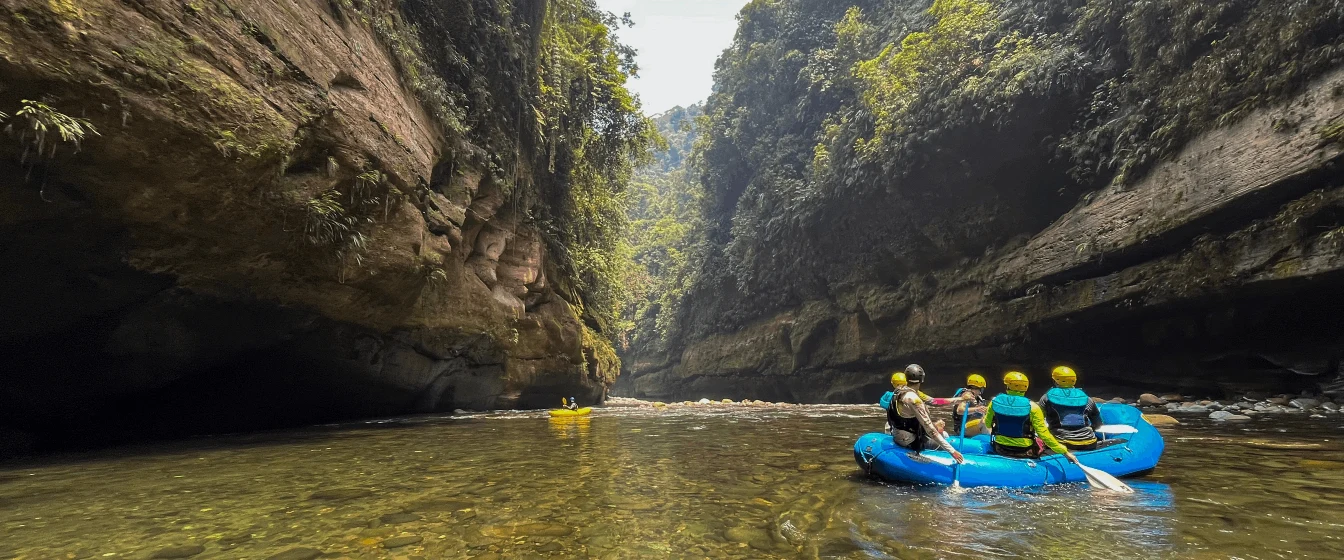
Americans love the Great Outdoors. Each year, hundreds of millions of us hike, bike, golf, fish, hunt, climb, paddle, and swim to the tune of $1.2 trillion in economic output.
For insurers, that national passion for outdoor adventure creates significant opportunities in Guides and Outfitters Insurance, but it also demands nuanced knowledge of emerging casualty and property exposures.
Philadelphia Insurance Companies (PHLY) has crafted Outdoor Recreation Liability Insurance policies for 15 years, keeping close tabs on the industry’s evolving risks. From climate change insurance risks to new weather-related exposures, staying ahead of these developing threats is essential.
Outdoor Industry Trends and Evolving Exposures
Participation in outdoor recreation has reached record numbers, fueled in part by the pandemic-era social distancing that pushed many people outside. By 2023, outdoor recreation comprised 2.3% of GDP - adding more to the U.S. economy than mining, farming, or utilities - and employed nearly five million people, many of them in small guide companies and outfitters.
Beyond traditional hazards such as equipment failure or slips, trips, and falls, outdoor guides and outfitters face emerging risks that make Liability Insurance for outdoor recreation facilities increasingly complex. For instance, the wave of new hikers, skiers, and shooters who emerged during lockdown were less experienced, creating heightened risk around unfamiliarity with either terrain or techniques.
Some liability loss exposures stem from less obvious sources or scenarios. In axe-throwing venues, for instance, the primary risk isn’t blade injury but liquor liability at facilities that sell alcohol. Similarly, when rafting or canoeing, parents typically ensure their children use safety equipment such as life vests and helmets, but they often forgo basic safety equipment for themselves. This increases the risk of drowning, head injuries, and other serious mishaps.
Climate Change Is Reshaping the Risk Landscape
Shifting climate patterns have created new operational challenges, with extreme weather such as hail, floods, and drought in places that rarely, or never, experienced such impacts before.
“Some of these [weather] risks we’re now having to consider countrywide, when before they were only issues in certain regions,” said Gretchen Varenholt, underwriting supervisor of sports recreation at PHLY.
Roughly half of the trillion-dollar outdoor recreation market is at risk from extreme weather such as floods and wildfires in the coming years, according to Headwaters Economics. Nearly half of U.S. counties that depend on recreation have high or very high wildfire risk, compelling insurers to scrutinize wildfire risk mitigation practices, proximity to fire stations, and on-site water sources more intensely.
“A lot of outdoor activities are going to be in more remote areas, so the wildfire hazard is higher,” Varenholt said. “We have the capacity to take on some more of that high-risk property in wildfire-prone areas. But in recent years, we’ve been steadily increasing our underwriting knowledge and focus in these areas, given that wildfire frequency and severity are much higher now than in the past.”
Wildfire risk mitigation is critical to these areas, added Varenholt, whether that means clearing brush near structures, installing fire-resistant roofing, or maintaining enough defensible space around buildings.
The PHLY Difference: Nuanced Coverage for Outdoor Niches
The outdoor recreation market is rich with opportunity, but it’s not a space for generalists. Guides, outfitters, and recreation facilities need agents who understand both traditional risks and emerging exposures in Outdoor Recreation Liability Insurance.
PHLY leverages the deep industry knowledge of our sports and recreation team, many of whom take part in the sports they underwrite, whether riding horses or snowmobiling on backcountry trails.
“Whenever something comes up on one of those accounts, we’ll say, ‘Let’s ask so-and-so,’ because we know they do that on the weekend,” Varenholt said. “If it’s something that we’re not specialized in, we get the expert on our team who actually does this activity to get their opinion on it.”
PHLY’s comprehensive coverage for Guides and Outfitters covers a range of activities from hiking, boating, and archery to hunting lodges, rod and gun clubs, and even select bed and breakfasts. With an A++ AM Best rating and 15 years of serving this specialized market, we offer the necessary expertise to agents working in this booming sector.
Policy highlights include:
General Liability, Liquor Liability, Property, Inland Marine, and Crime and Fidelity coverage on a first-dollar basis, with separate limits of insurance for each line of coverage
Elite Property Enhancement for the Great Outdoors, which can extend to horses, hunting dogs, and others’ personal property
Liquor Liability limits to $1M per occurrence/$1M aggregate in most states
Coverage for theft, disappearance, destruction of property, and employee forgery
Hired and Non-Owned Auto coverage, including for volunteers and on a seasonal basis
Ready for a personalized quote on Guides and Outfitters Insurance? Contact our New Business team at 800-873-4552 or email AccountManagement@phly.com.