
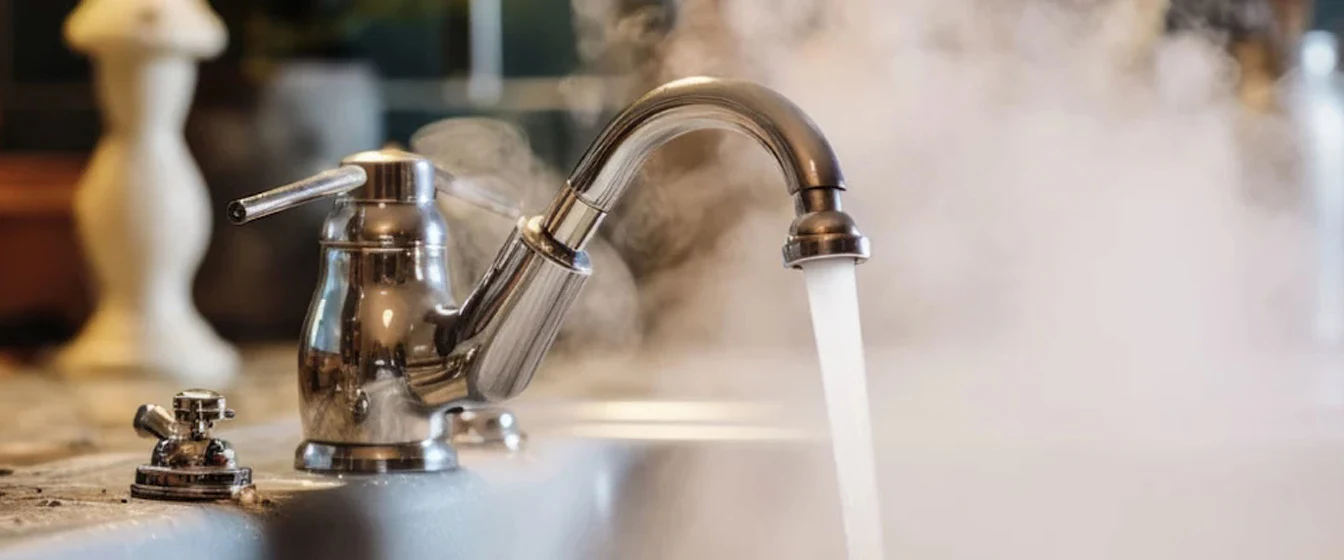
Ouch. Getting scalded by hot water from a tap or stovetop is an early core memory for many of us. Although some scald injuries are mild, they can also be disfiguring or even lethal - making scald injury prevention essential for organizations that serve vulnerable groups such as children, seniors, or people with disabilities.
The first step toward preventing burn injuries is never taking the temperature of hot water for granted. Here at Philadelphia Insurance Companies (PHLY), we've compiled some tips for preventing and treating scald burns, from using anti-scald devices to first aid treatment for burns and scalds.
What Are Scald Injuries and How Common Are They?
Scalds are thermal burns that can result from skin or tongue contact with hot liquid or steam, such as extremely hot soup or the steam of a boiling tea kettle. Such exposure can cause anything from a superficial first-degree burn to a blistering third-degree burn that requires medical treatment. Of the 486,000 people treated for burns in the U.S. each year, about one-third have scald injuries, according to the American Burn Association. Half of those result from spilled drinks and food, with scalds being the most common type of burn for young children.
The threat of scald injuries can be a constant concern for those who operate or provide services to vulnerable populations. But scalds are also a lurking danger in restaurants, hospitals, and spas. Prioritizing scald injury prevention can ensure the safety of vulnerable groups as well as reduce the risk of costly liability.
How Can You Prevent Burn and Scald Injuries?
When it comes to water temperature, there's an exponential jump in the harmfulness of slight jumps in temperature. For instance, skin can be exposed to 120 degrees Fahrenheit liquid for five minutes before incurring a third-degree burn. At 140 degrees Fahrenheit, it takes only six seconds for a third-degree burn to develop, but at 150 degrees Fahrenheit it takes just two seconds. Staying vigilant and practicing hot water temperature safety can help protect against scald injuries, whether from an overly hot bath, a burst of steam, or spilled hot liquids. Here are some burn prevention tips:
Lower the thermostat on hot water heaters. Make sure water heaters max out at 120 degrees Fahrenheit to prevent accidental thermal burns.
Install anti-scald devices or thermostatic mixing valves on taps. Older structures may not have thermostatic mixing valves installed on faucets. These inexpensive devices blend cold and hot water to control water flow temperature.
Avoid using boiling water or microwaves to warm baby bottles. Water will boil (to 212 degrees Fahrenheit) after two minutes in the microwave. Spilled or spitting boiling water can injure a child or create uneven hot spots that might burn a child's mouth. If your operations include providing bottles to infants and young children, implement a documented policy on bottle warming and handling.
Stay vigilant around boiling water or broth. It's vital to make sure pot handles are turned inward and hot drinks are kept away from the edges of tables and counters. A momentary lapse in focus can result in a surprisingly quick and accidental toppling of objects within reach.
Train staff on handling hot liquids. Hot water temperature safety should extend to making hot drinks, cooking, and washing dishes. Damp cloths and mitts should never be used to handle hot pots and pans, as the moisture quickly conducts heat. For hot food and beverages shared with customers, use properly insulated cups, mugs, and containers.
Ensure that baths, steam rooms, and saunas are at safe temperatures. Spa and gym personnel, as well as caregivers, should make sure that water and steam temperatures are safe before client exposure.
First Aid for Scald Injuries
Despite precautions, accidents can still happen. When a scald burn does occur, deploying proper first aid for burns and scalds can minimize an injury's severity and possibly prevent scarring. If a scald injury occurs:
Cool the burn. Immediately run cool (rather than cold) water over scalded skin for at least 10 minutes to bring down the heat and lessen damage. Avoid using ice, oil, butter, or ointments that may worsen the burn or cause infection.
Cover the burn. Use a dry, sterile, non-adhesive bandage to protect the burn from exposure and bacteria.
Seek medical attention as soon as possible. If the burn is severe or covers a large area, call 911 or head to an emergency room for treatment.
Report the incident. Record the details and circumstances of the scald injury and report it to the appropriate authorities. Also, be sure to follow any insurance requirements when reporting a claim.
Protect Your Clients and Organization With Policies and Procedures
From hospitality to healthcare, preventing burn injuries is not just about safety but also managing potential liability. Leaders should implement policies and procedures for scald injury prevention to help mitigate those risks and continuously evaluate compliance and the effectiveness of policies through regular safety audits. Staff should also have access to ongoing training and education.
PHLY is committed to providing policyholders with customized risk management solutions, including for organizations such as group homes, childcare centers, and assisted living facilities. We can help you protect your assets, your clients, and your staff from the risks and liabilities of burns and scald injuries. Visit PHLY.com/RMS to learn more about how PHLY can help protect your organization.