

Agents who work with business owners know that their commercial insurance questions can run deep, from common exclusions to the finer points of different policy types. Whether you’re working with a first-time business owner or a seasoned operator, answering their questions clearly and accurately is essential to building trust. Sometimes, too, agents may need some clarity of their own.
To mark National Insurance Awareness Day 2026, Philadelphia Insurance Companies (PHLY) answers some of the most commonly asked questions about commercial lines. Master these talking points, and you’ll position yourself as a trusted resource for clients navigating complex coverage decisions.
I have Commercial General Liability (CGL), so why do I also need Professional Liability?
This is one of the most common sources of confusion for business owners, and it boils down to the key differences between General Liability and Professional Liability policies.
Commercial General Liability (CGL) anchors most commercial insurance programs and covers third-party claims for bodily injury, property damage, and personal injury or advertising injury that may arise from a business’s premises, operations, or products. Common types of commercial insurance may cover commercial property, workers’ compensation, Hired and Non-Owned Auto, and business interruptions.
To illustrate, CGL protects against claims that arise if a customer slips on a wet floor or a contractor’s work causes property damage. Professional services can vary greatly and require detailed analysis; therefore, it can be excluded on most CGL policies.
Enter Professional Liability Insurance coverage. This type of insurance addresses claims arising from professional advice or services across a range of industries, from law and media to mental health and technology. For instance, if a former client sues their attorney for alleged negligence or a magazine is sued for copyright infringement, Professional Liability coverage responds where a CGL policy cannot.
If my client has a $1M Primary General Liability policy, why do they need an Excess Casualty policy?
This touches on a broader question: What is Excess Casualty insurance? Basically, this coverage responds once the limits of a General Liability policy (such as CGL or Auto Liability) are exhausted. Clients can think of it as a financial backstop for catastrophic claims, such as multi-car automobile accidents.
A single bodily injury or product liability claim can quickly reach the threshold of a General Liability policy. PHLY offers tailored Excess & Surplus solutions with attachment points as low as $6M ($1M Primary, $5M lead excess) across an array of sectors. For example, manufacturing, construction, hospitality, and commercial real estate routinely face loss exposures that require higher limits. PHLY’s E&S policy can be written on both admitted and non-admitted paper, offering agents flexible options for clients in industries with increased risks.
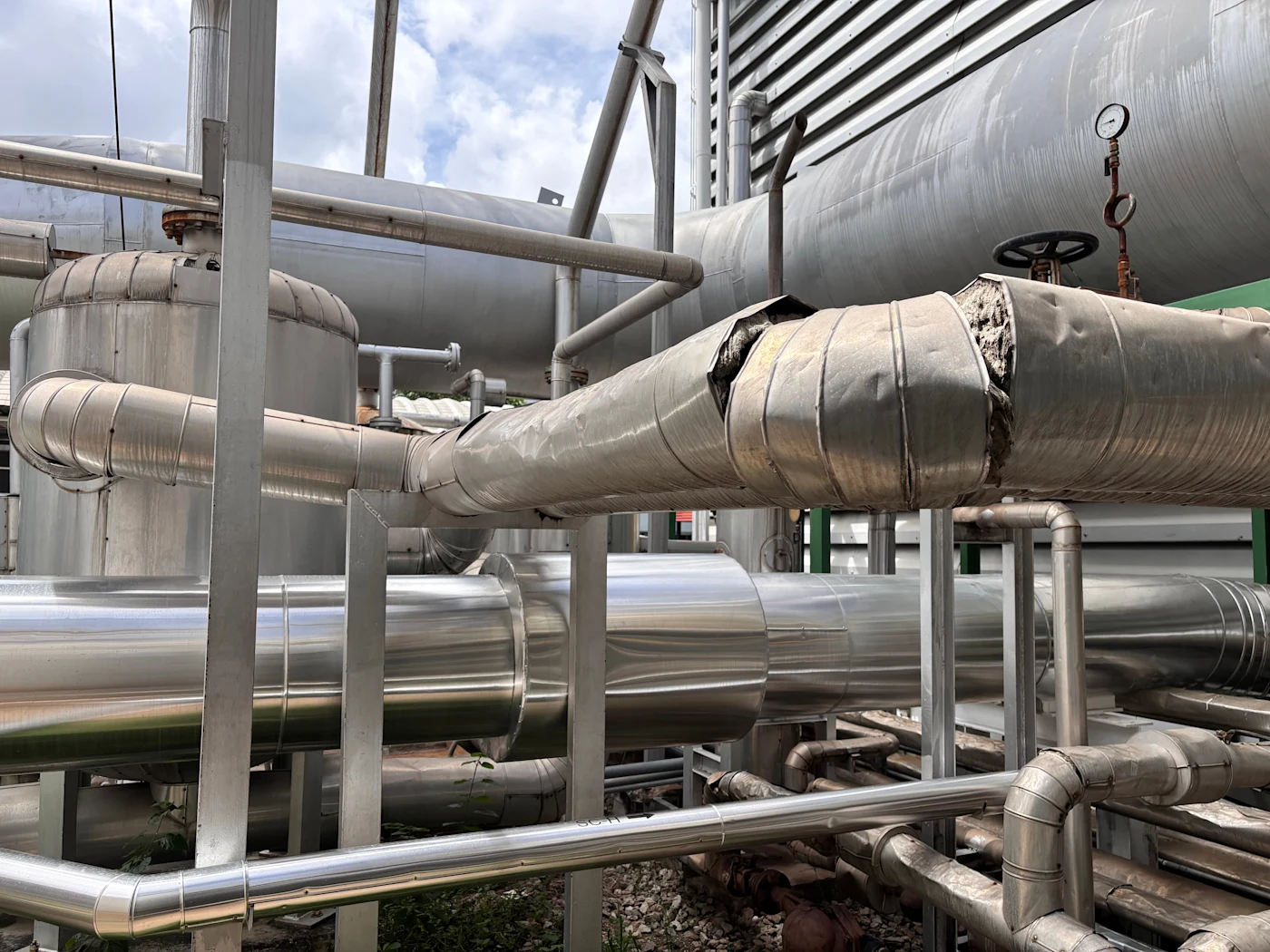
How does “Actual Cash Value” differ from “Replacement Cost” on my commercial property?
This distinction is consequential yet often misunderstood. The easiest way to explain the difference is that a property’s Actual Cash Value (ACV) equals what the property was worth at the time of a loss, minus depreciation. By contrast, Replacement Cost (RC) covers what it actually costs to repair or replace property of a similar kind or quality, with no depreciation deducted.
The gap between these two figures can be substantial. A manufacturing facility with aging equipment or a 20-year-old roof might carry an ACV far below what reconstruction would cost today. Agents should confirm which commercial property valuation method applies at the time of placement and flag the difference, especially if an insured believes replacement cost is the default.
Does a standard CGL policy include coverage for allegations of sexual or physical abuse?
The short answer: “No”, as most polices contain exclusions for sexual or physical abuse; however, coverage can be found in the marketplace through a separate application process.
Certain organizations that serve vulnerable populations, such as schools and social service providers, face heightened liability when staff are not properly vetted and/or trained to recognize and respond to the warning signs of physical or sexual abuse.
PHLY shares a deep commitment to preventing sexual abuse and suicide, and we provide comprehensive background check resources and a five-part safety system (in partnership with experts such as Abuse Prevention Services) to help protect vulnerable children and adults.
Does my commercial policy automatically cover independent contractors or temporary staffing?
Generally speaking, no. This is one of the most common gaps in commercial insurance coverage. Standard CGL and workers’ compensation policies are usually written to cover employees, not independent contractors or temporary staff. If an uninsured temp causes property damage, a security breach, or theft, the hiring business may need to absorb that liability.
PHLY specializes in this sector, and our Temporary Staffing Agency program offers General Liability (GL), Professional Liability, Automobile, Employment Practices Liability (EPL), and Crime coverages tailored to the industry’s unique risks. Our GL coverage also provides defense outside of policy limits, so legal defense costs won’t erode policy limits. In addition, our Risk Management solutions help policyholders be proactive rather than reactive, mitigating risk before a loss occurs.
Why does the application require so much operational detail if I’m just seeking a standard quote?
Different industries and organizations may carry vastly different loss exposures. Underwriters must evaluate each business individually, often drawing on operational details such as revenue, claims history, and safety protocols to determine where to bind coverage and under which terms.
When detailed information is provided from the outset, underwriters can move from an estimate to an accurate, bindable quote. Agents who assist clients with thorough, well-documented applications can help them avoid coverage gaps or policy surprises after a loss.
With a claims satisfaction rating of 96.7% and an A++ (Superior) rating by AM Best, PHLY has the financial strength and responsiveness to protect businesses of all sizes against financial risk. Call our PHLY team today at 877-438-7459 or log in to MyPHLY to get started on a commercial quote.